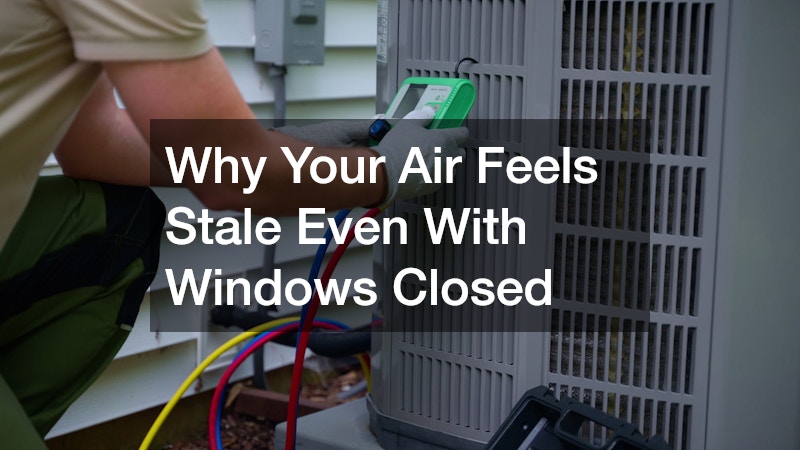
You keep the windows shut, run the thermostat like normal, and yet the air inside still feels heavy, musty, or just off. That stuffy feeling is not your imagination, and it is not something you have to live with. Indoor air quality depends on far more than an occasional breeze, and a closed house can actually trap pollutants, moisture, and stale air if your home’s systems are not doing their job. Understanding the real causes behind that stagnant feeling is the first step toward fixing it for good.
Poor Air Circulation From Blocked Vents and Furniture
Stale air often starts with something as simple as blocked airflow. When vents are covered by rugs, curtains, or furniture, conditioned air cannot circulate properly through a room, leaving pockets of stagnant air near ceilings and corners. Over time this creates uneven temperatures and a noticeable staleness even though your system is technically running.
- Check that couches, beds, and bookshelves are not sitting directly in front of supply or return vents
- Keep at least a foot of clearance around every vent for proper airflow
- Rotate ceiling fans to pull air downward in winter and push it upward in summer
- Notice if certain rooms always feel warmer, cooler, or stuffier than the rest of the house
Dirty or Clogged Air Filters
A clogged air filter is one of the most common and overlooked reasons a home starts to feel stuffy. When a filter fills up with dust, pet hair, and debris, it restricts airflow through your entire HVAC system, forcing it to work harder while circulating less fresh air. This not only makes rooms feel stale but also reduces the efficiency of your heating and cooling equipment.
Most standard filters need replacing every one to three months, though homes with pets or allergy sufferers may need to check more often. If you have gone longer than that without swapping yours out, that could be the exact reason your air feels thick and stagnant. This is one of the simplest maintenance tasks homeowners can handle themselves without calling in outside help.
Excess Humidity and Hidden Moisture Buildup
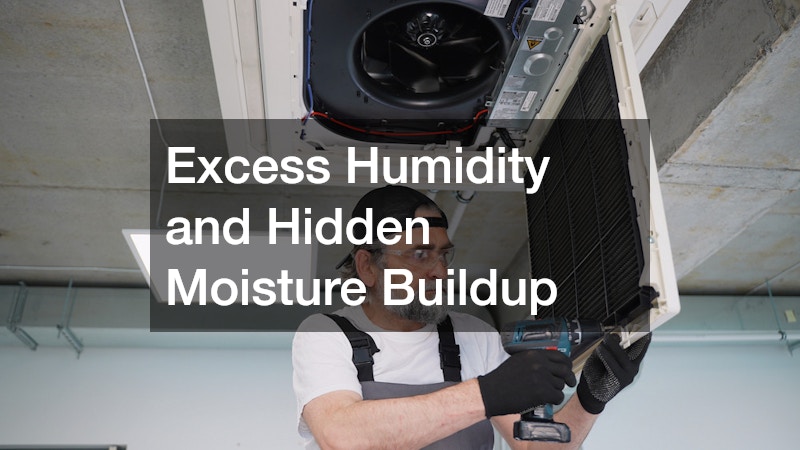
Humidity plays a huge role in how fresh or stale your air feels, even when the temperature seems perfectly comfortable. High moisture levels make the air feel heavier and create the ideal environment for musty odors, mold growth, and that damp basement smell to creep into living spaces. Bathrooms, kitchens, and laundry rooms are common culprits since they generate steam and moisture throughout the day. Excess humidity can also settle into your ductwork over time, so scheduling residential air duct cleaning alongside humidity control measures can help eliminate trapped moisture and the odors that come with it.
A whole-home dehumidifier or properly functioning exhaust fans can make a dramatic difference in how a house feels day to day. Ideal indoor humidity sits between 30 and 50 percent, and anything consistently higher can leave rooms feeling swampy and stale. Investing in a simple hygrometer to monitor humidity levels can help you catch the problem before it becomes a bigger issue.
Neglected Ductwork and Dust Accumulation
Even if your filter is clean, the ducts carrying air throughout your home can become a hidden source of staleness. Dust, dander, and debris settle inside ductwork over years of use, and every time your system runs, it can redistribute those particles back into your living space. This buildup restricts airflow and can make air feel dusty, dry, or oddly heavy no matter how often you clean.
A professional air duct cleaning company can inspect your system and remove years of accumulated debris that a standard filter change simply cannot reach. Many homeowners are surprised at how much fresher their home feels after a thorough cleaning clears out the buildup, and a reputable duct cleaning company can also spot loose connections or damaged sections that let unconditioned attic or crawlspace air leak into the system. If it has been several years since your ducts were last cleaned, or you have recently completed a renovation, it may be worth scheduling an inspection.
- Visible dust blowing from vents when the system kicks on
- A musty smell that intensifies when the HVAC system runs
- Warm or cool spots in rooms far from the main unit, suggesting airflow loss along the duct path
- Family members experiencing more frequent allergy symptoms indoors
Aging or Undersized HVAC Equipment
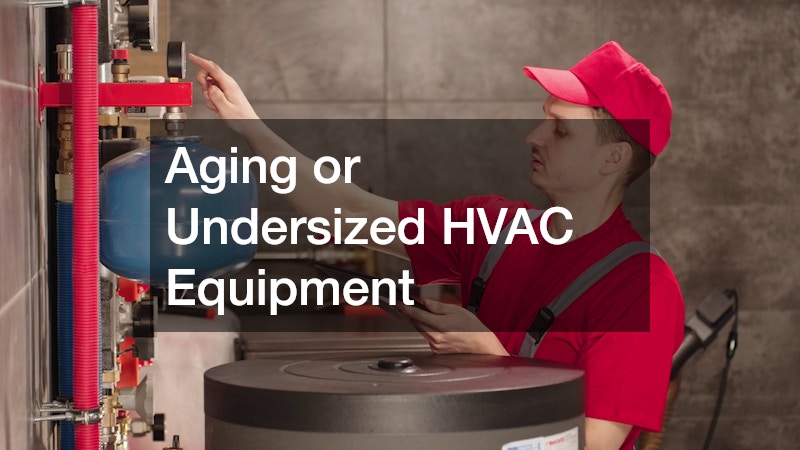
Sometimes stale air is not about dirt or moisture at all but simply about equipment that cannot keep up. A furnace or air conditioner that is too small for your square footage will struggle to circulate enough air, leaving rooms feeling stuffy regardless of how clean your filters are. An undersized system may also short-cycle, running in quick bursts that cool or heat the air without ever fully mixing and refreshing it throughout the house.
This is common in homes that have added square footage, finished a basement, or converted an attic without upsizing the HVAC system to match. A unit sized correctly for 1,800 square feet, for example, will fall short once a home grows to 2,500 square feet, even if the ductwork technically reaches every room.
Similarly, systems nearing the end of their lifespan, typically 15 to 20 years for most furnaces and air conditioners, often lose efficiency and airflow capacity gradually, so the change can be easy to miss. Worn-out blower motors, degraded ductwork seals, and dirty coils all chip away at airflow a little at a time. Because the decline happens over months or years rather than overnight, homeowners often adjust to the staleness without realizing their equipment is the root cause.
You May Need a Bigger System
HVAC systems are typically sized for the square footage and layout that existed when they were installed. If your home has had additions, finished basements, or converted attics since then, the original equipment may no longer be sized correctly for the space. An undersized system has to run longer and harder to condition extra square footage, which often means it never fully cycles air through the newer areas of the home.
Age matters just as much as size. Most HVAC systems are designed to last 15 to 20 years, but their ability to circulate and filter air efficiently starts declining well before that, often around the 10 to 12 year mark, as blower motors weaken and ductwork connections loosen.
A qualified HVAC contractor can perform a load calculation, known as a Manual J calculation, to determine whether your current setup matches your home’s actual heating, cooling, and airflow needs. This assessment factors in square footage, insulation levels, window placement, and ceiling height rather than relying on rough estimates.
This kind of assessment often reveals issues that go far beyond a simple filter change or thermostat adjustment. In many cases, homeowners discover their system is undersized by a full ton of capacity or more, which explains persistent staleness no matter how often windows are opened or air filters replaced.
Lack of Fresh Air Exchange in Modern Homes
Newer homes are built to be airtight for energy efficiency, which is great for utility bills but not always great for air quality. Without a deliberate way to bring fresh outdoor air inside, a tightly sealed house can recycle the same air repeatedly, allowing carbon dioxide, odors, and pollutants to build up. This is especially common in newly constructed or recently renovated homes with upgraded insulation and sealing.
Mechanical ventilation systems, such as energy recovery ventilators, are designed specifically to solve this problem by exchanging stale indoor air for fresh outdoor air without sacrificing energy efficiency. These systems run continuously in the background and are far more effective than occasionally cracking a window. Homeowners noticing persistent staleness despite a newer, well-insulated house should consider this a leading suspect.
Overworked or Malfunctioning Furnace Components
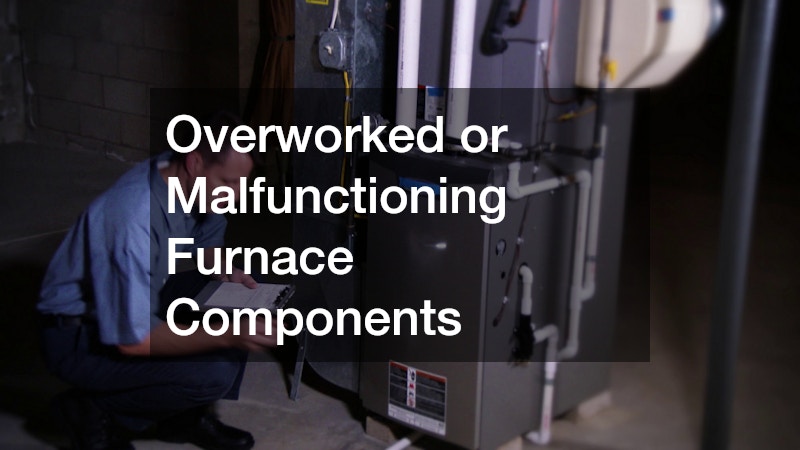
A furnace that is short cycling, running constantly, or struggling to reach set temperatures is not just inefficient, it can also affect how fresh your air feels. When a furnace cannot complete a full heating cycle, it fails to properly filter and circulate air through the home, leaving rooms feeling flat and stale. This is often accompanied by inconsistent temperatures from room to room.
Ignoring these signs can lead to bigger breakdowns, so many homeowners choose to schedule furnace repair services at the first sign of trouble rather than waiting for a full system failure. Calling a local HVAC service for a checkup rather than waiting can save both time and money in the long run. A trained technician can quickly diagnose whether the issue is a faulty blower motor, a failing thermostat sensor, or something more serious. Addressing these issues promptly keeps both comfort and air quality on track through the colder months.
Outdated or Improperly Sized Air Conditioning Systems
During warmer months, an aging or poorly matched air conditioner can contribute just as much to stale air as a struggling furnace does in winter. The culprit is often “short cycling,” where an oversized unit cools a room to the thermostat’s set temperature within minutes, then shuts off before it has run long enough to properly dehumidify or circulate air. This leaves rooms feeling clammy and stagnant even though the temperature reads comfortably cool.
If your cooling system frequently underperforms, professional AC installation with correctly sized equipment can resolve both temperature and air quality complaints at once. Sizing is typically determined through a Manual J load calculation, which factors in your home’s square footage, insulation levels, window placement, and ceiling height rather than relying on rough rules of thumb. A properly matched system will run longer cycles at lower speeds, which improves both dehumidification and overall air circulation throughout the home.
This is worth discussing with a professional if your current unit is more than twelve to fifteen years old, since older systems were often sized using outdated methods or installed before energy-efficient windows and insulation upgrades changed your home’s cooling needs. Frequent short cycling, uneven temperatures between rooms, or persistent humidity above 50% are all signs the equipment no longer matches the space it’s serving. A licensed technician can confirm whether replacement or a simple ductwork adjustment is the better fix.
Choosing the Right Professional Help for Air Quality Issues
Figuring out exactly why your home feels stale can involve several overlapping factors, which is why many homeowners eventually turn to outside expertise rather than guessing. A reputable HVAC company can conduct a full inspection covering airflow, humidity, filtration, and equipment performance in a single visit. This comprehensive approach often uncovers issues homeowners would never catch on their own, such as a slow refrigerant leak or a partially blocked return duct.
When comparing HVAC companies in your area, look beyond price alone and consider experience, certifications, and willingness to explain their findings clearly. A trustworthy provider will walk you through exactly what they found and why it matters, rather than pushing an immediate full system replacement. Getting a second opinion is always reasonable for larger recommended repairs or replacements.
- Ask whether they offer free or low-cost diagnostic inspections
- Check online reviews specifically mentioning air quality or duct work
- Confirm they are licensed, insured, and offer warranties on labor
- Request a written estimate before agreeing to any major repair
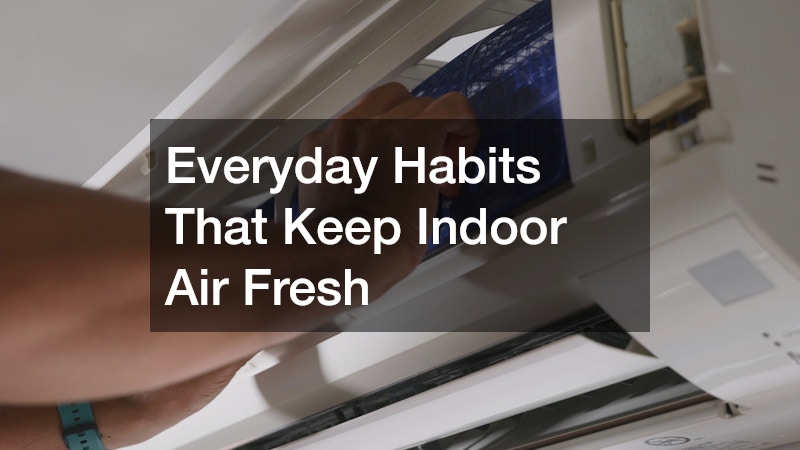
Everyday Habits That Keep Indoor Air Fresh
Beyond equipment and professional service, daily habits play a real role in how fresh your home feels. Simple actions like running exhaust fans during cooking, keeping houseplants that naturally filter air, and periodically opening windows on mild days can make a noticeable difference. These habits work best when combined with a well-maintained HVAC system rather than as a replacement for it.
- Vacuum carpets and upholstery weekly to reduce dust and dander buildup
- Use cooking range hoods every time you use the stove
- Avoid overloading closets and storage areas that block natural airflow
- Wash bedding and curtains regularly since fabric traps odors and moisture
- Schedule seasonal HVAC repair checkups to catch small issues before they grow
Stale indoor air is rarely caused by just one thing, but rather a combination of airflow issues, moisture problems, dirty components, or aging equipment working against you. The good news is that every cause outlined above has a clear, actionable fix, whether that means swapping a filter, adjusting humidity levels, or bringing in a qualified professional for a deeper inspection. Start with the simplest changes first, then work your way toward a professional evaluation if the staleness persists. Taking these steps now will leave your home feeling noticeably fresher and more comfortable in every season.